
CANIS Conference · October 8, 2026 · Schaumburg, IL
The One Where We Learn About Conditioning
Helping clients understand the science of training without the jargon
Thanks for coming to my talk (or for finding it after the fact). The idea behind it: trainers shouldn't be afraid to teach clients the basics of classical and operant conditioning. Plain language, good stories and a few sitcom clips can make the science feel like common sense, and clients who understand why training works are better at doing it.
Here are clips from the talk, plus some further reading.
— Annie Grossman, CPDT-KA, KPA CTP

A few of the clips
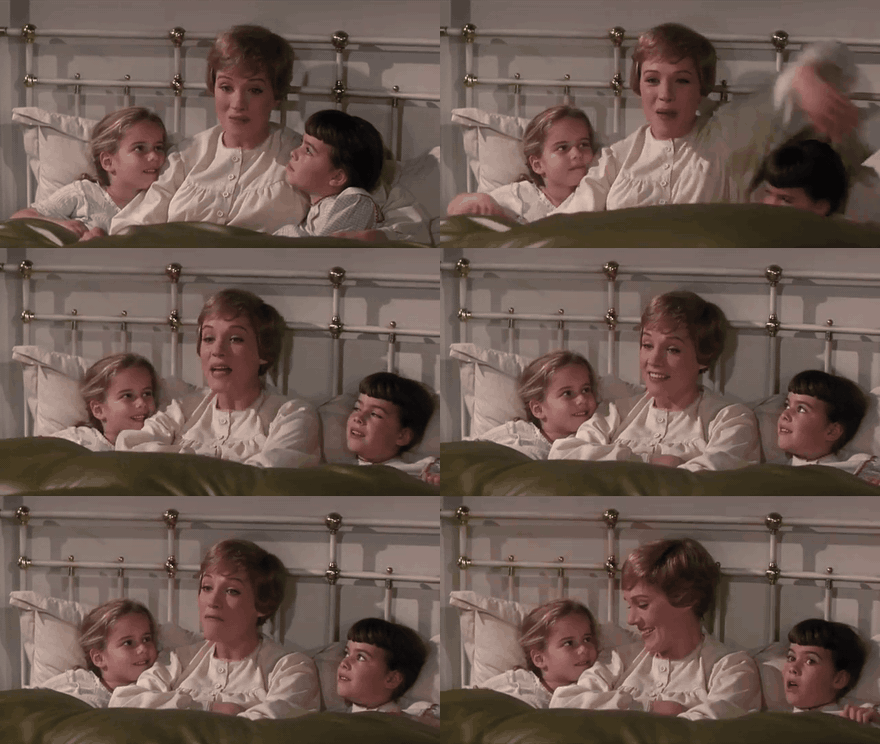
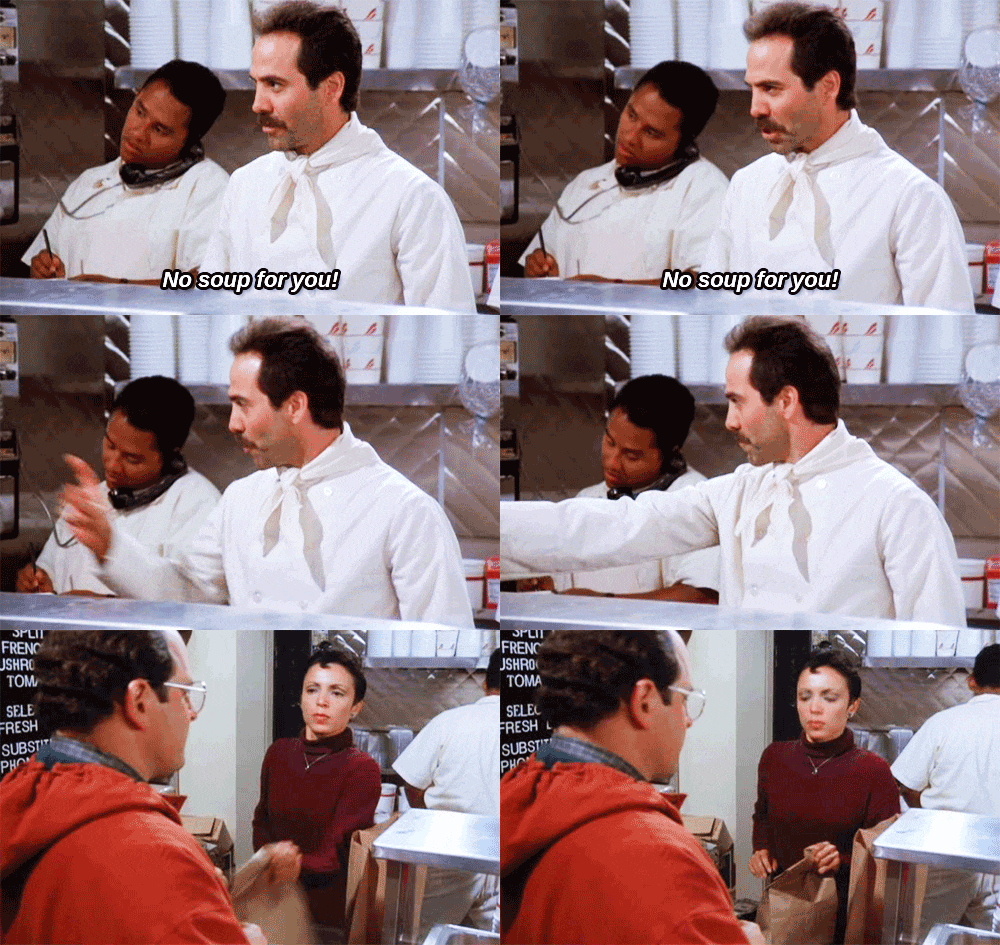
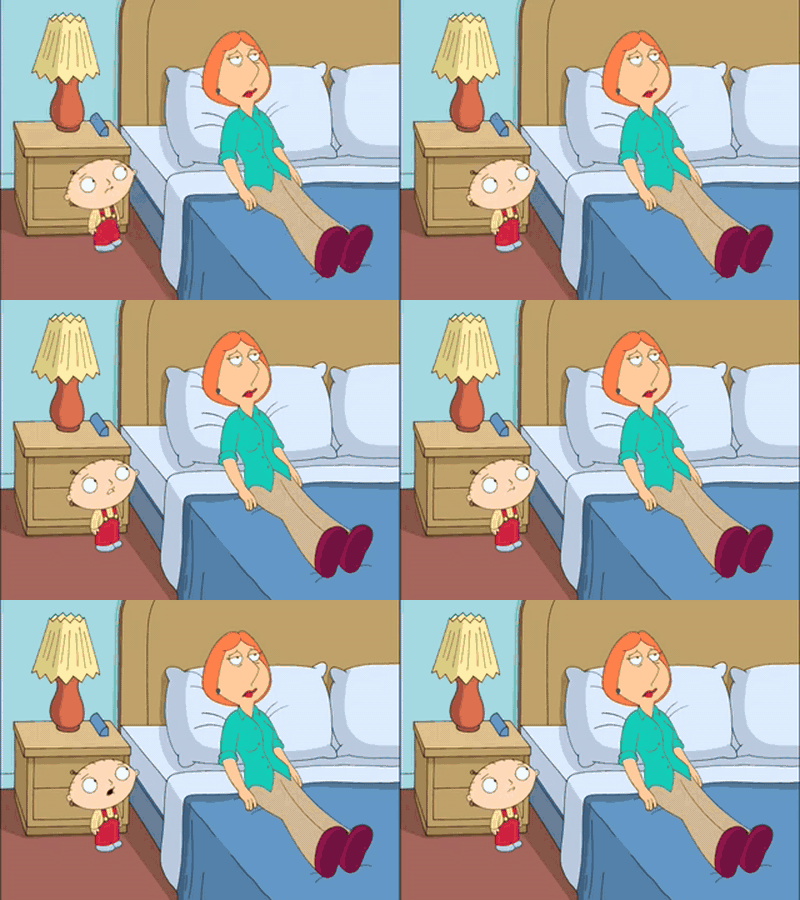
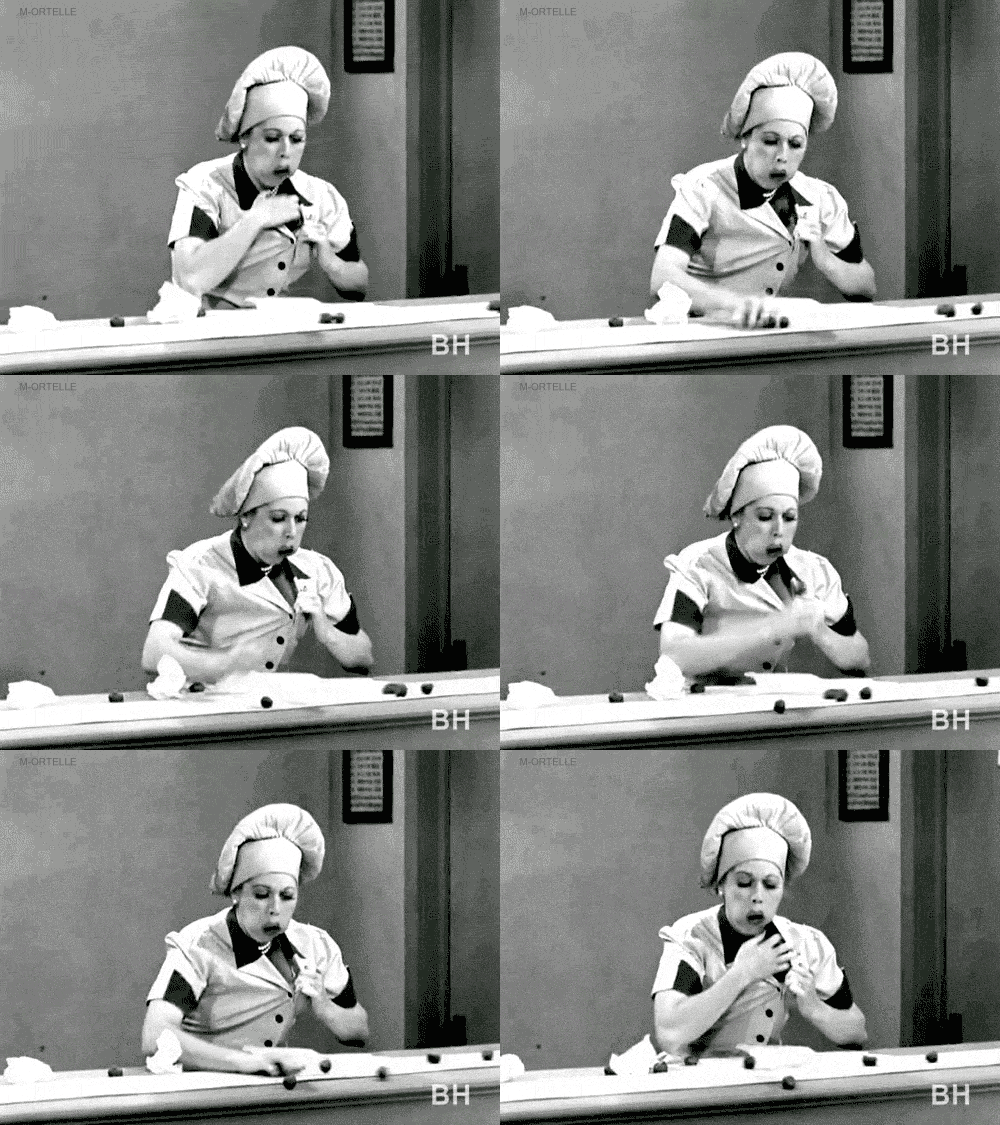
Show more clips from the talk Show fewer
In the order they appear in the talk, with the idea each one illustrates. Click a title to watch.
-
Classical conditioning
Pavlov’s original lab footage Watch →A conditioned reflex is learned, not built in: something new comes to trigger an automatic response.
-
Controlling behavior with fear-based associations
Curb Your Enthusiasm: “Happy New Year” (Season 10, Episode 1), 2020 Watch →Larry David uses an association to get out of a lunch he’d rather avoid.
-
Counterconditioning
E.T. (1982) Watch →It looks a lot like bribery, but the Reese’s Pieces are changing how E.T. feels.
-
Teaching “come”
The Office: “The Secret” (Season 2, Episode 13), 2007 Watch →Jim trains a very short-distance recall using classical conditioning.
-
Learning by association vs. learning by consequence
Dog With a Blog: “Who’s Training Who?” (Season 2, Episode 15), 2014 Watch →The jump from classical conditioning to operant conditioning.
-
Antecedent, behavior, consequence
Seinfeld: “The Opposite” (Season 5, Episode 22), 1994 Watch →George’s behavior makes more sense once you look at what comes before and after it.
-
Mark immediately and reward promptly
The Price Is Right, CBS, December 30, 2013 Watch →The announcement, the cheers, the applause all say “Yes!” And what backs up those signals? The car.
-
Reinforce good choices, even when you didn’t ask for them
The Big Bang Theory: “The Gothowitz Deviation” (Season 3, Episode 3), 2009 Watch →Sheldon and the chocolates.
-
Shaping goes both ways
The Last Man on Earth: “Point Person Knows Best” (Season 3, Episode 4), 2017 Watch →Owners shape their dogs’ behavior, but dogs are often already experts at shaping their owners’.
-
Intermittent reinforcement
The Social Dilemma (2020) Watch →Not every app training us is as generous as Duolingo.
-
Aim for progress, not perfection
Sesame Street (Episode 0426), 1972 Watch →Owners can build their skills while building trust.
-
Problems with punishment: hurt people hurt people
The Big Bang Theory: “The Focus Attenuation” (Season 8, Episode 5), 2014 Watch →Sheldon breaks it down.
-
Punishment can reinforce the punisher
Ghostbusters (1984) Watch →The student’s behavior is being punished, but Bill Murray’s behavior is likely being negatively reinforced.
-
Punishment makes you a bad friend
Friends: “The One Where Phoebe Runs” (Season 6, Episode 7), 1999 Watch →Training with aversives colors the way the learner thinks about you.
-
Punishment requires escalation
The Breakfast Club (1985) Watch →Punishment loses its effect over time, so you have to keep raising the stakes.
-
Punishment is upsetting
SpongeBob SquarePants (Season 3, Episode 13A), 2002 Watch →Really upsetting.
-
Negative reinforcement starts with something aversive
The Silence of the Lambs (1991) Watch →An extreme example, but it makes the structure of negative reinforcement very easy to see.
-
Aversives make learners do the minimum
Office Space (1999) Watch →Peter explains it well, and then there’s Milton.
Keep reading
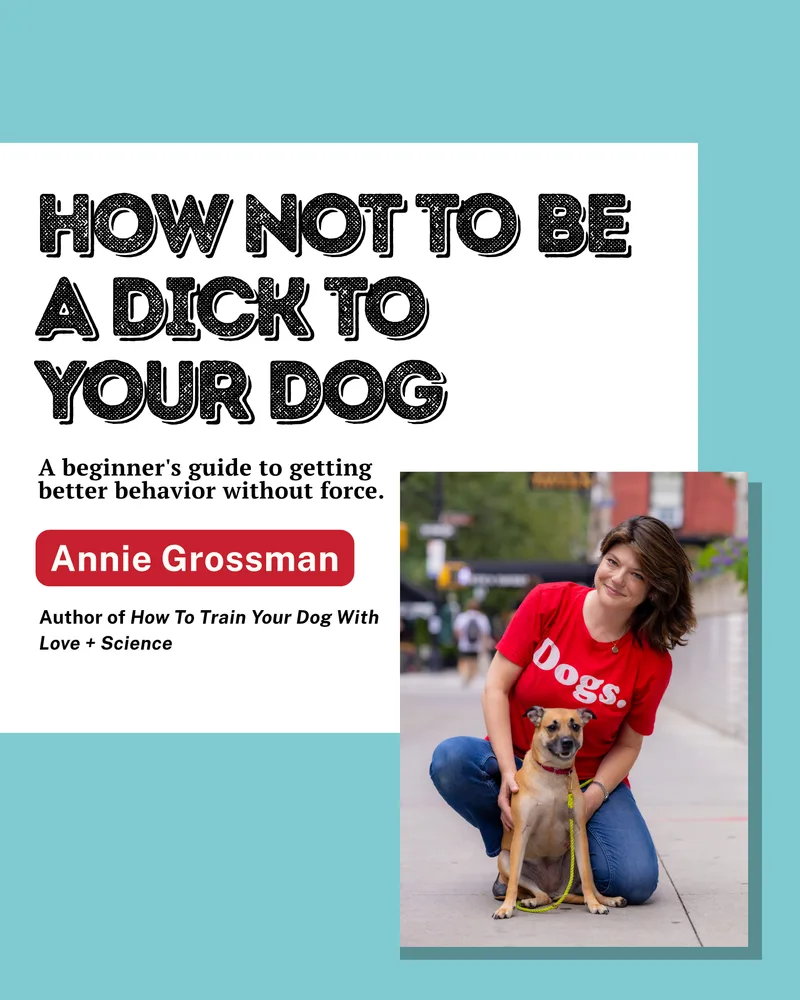
Free guide
How Not To Be A Dick To Your Dog
A beginner's guide to getting better behavior without force. Sign up for Annie's free newsletter and it'll go straight to your inbox. Inside you'll learn:
- How to read your dog's body language
- How to prevent behavior problems before they happen
- Why feelings come before behavior
- How to find the right rewards
- Why timing matters