
January 13, 2022 · Annie Grossman
8 Tips To Keep Your Dog Safe At The Dog Park
Discover essential tips for safe and enjoyable dog park visits. Learn how to manage play, understand canine body language, and ensure a positive experience.
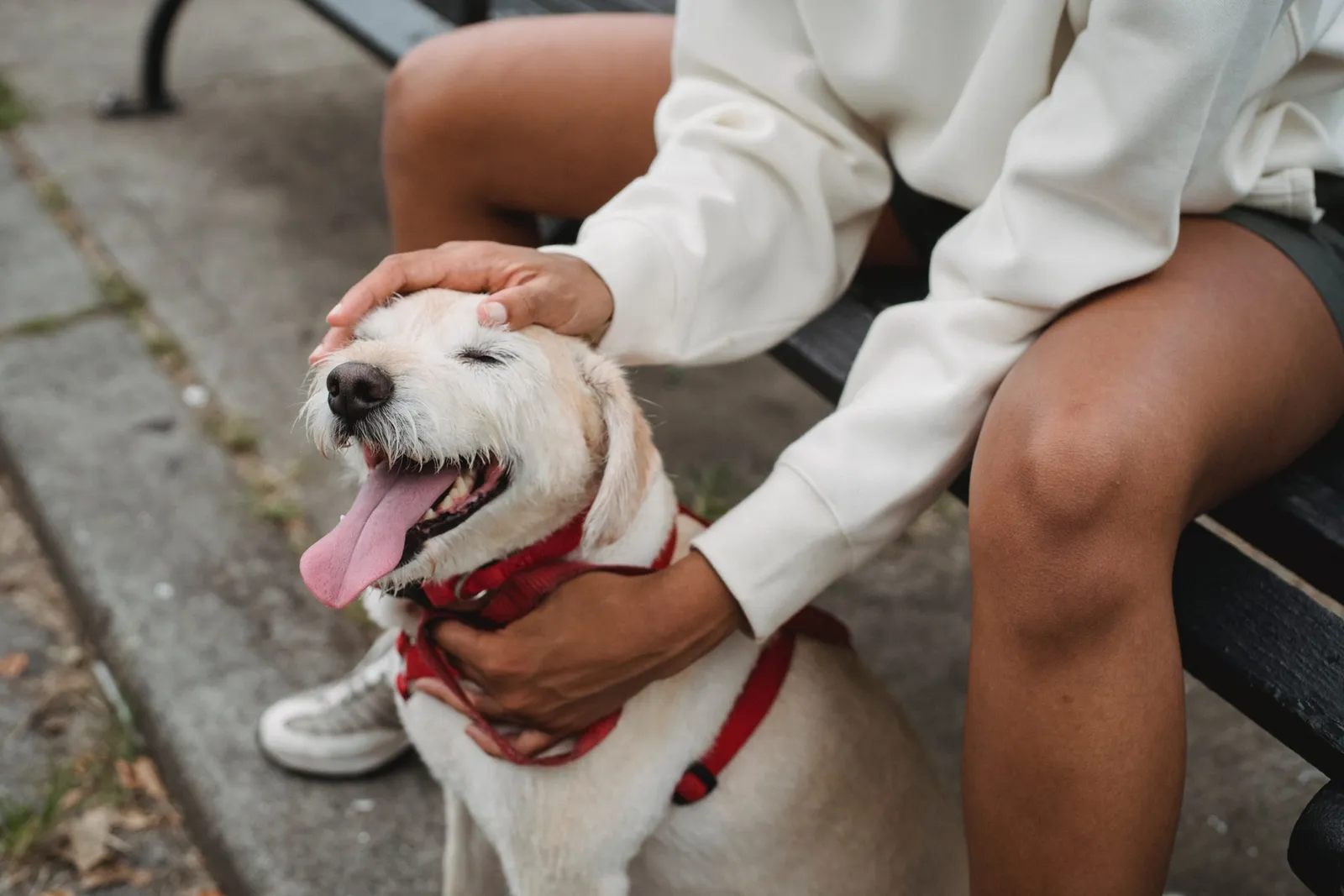
Dog parks aren’t suitable for every dog, and urban dog parks come with their own set of challenges. These spaces can be crowded, with a constantly changing mix of dogs and owners. If some dogs are uncomfortable or if their handlers struggle to understand canine body language, things can quickly go wrong. How can you make sure your dog stays safe and enjoys their time at the park? Follow these tips to prepare and become a savvy dog-park visitor.
Teach your dog to pause at the entrance.
Letting your dog charge into the park can create extra excitement, potentially leading to overly intense greetings or rough play. Training your dog to sit and wait at the entrance helps them calm down before joining the park. It also gives you a moment to assess how the other dogs are behaving and how they might react to your pup.
Enter the park confidently and quickly.
Avoid lingering near the gate. Walk in with purpose and use your body to gently separate dogs that might rush toward your dog. A crowd of unfamiliar dogs can feel overwhelming for your pet and may even spark conflicts. By moving in briskly, you can help minimize tension.
Take regular breaks from play.
Call your dog over to you at intervals during the visit, reward them, and then let them return to playing. This keeps their recall skills sharp and ensures they respond when it really matters. If you use treats as a reward, practice delivering them discreetly to avoid drawing the attention of other dogs. (Tip: Join one of our School Yard classes to learn how to effectively manage play breaks with your dog.)
Skip the toys.
Items like toys or other prized objects can lead to disagreements or even fights among dogs. If you notice toys already in the park, consider returning when they’re gone.
Keep visits short and sweet.
Long park visits can overstimulate or exhaust dogs, especially young ones. When dogs are tired or overly excited, they may have difficulty communicating effectively, which can increase the likelihood of conflict. A visit lasting 15–20 minutes is usually ideal.
Understand body language.
Do you know how to spot signs that a dog is uncomfortable, or what playful versus risky behavior looks like? Learning to interpret body language is crucial for dog-park success. Certified trainers can help you gain these skills.
Know how to step in when needed.
If a situation starts to escalate, step between the dogs to create space and call your dog to leave with you. Avoid grabbing unfamiliar dogs by the collar, as this can result in bites. If your dog is involved in a fight, try using loud sounds, water, or lifting the hind legs of the dogs to separate them—though if a dog is latched on, pulling them could worsen the injury.
Make leaving a positive experience.
Leaving the park can be hard for some dogs if they’re having a great time. Help your dog associate leaving with good things by offering treats, play, or praise as soon as you exit. This way, they’ll be less reluctant to leave the fun behind.
Want to learn more about navigating dog parks? Check out our podcast episode!